
Cigarettes and Secondhand Smoke
Deadly, Addictive, Aggressively Marketed
Cigarette smoking is the leading preventable cause of death globally, killing one-half of lifetime users prematurely. Smokers lose, on average, ten years of life. Smoking kills almost 6 million people globally each year, while use of the full range of tobacco products kills more than 7 million. This public health crisis is driven by a deadly, highly addictive product that powerful companies – including Philip Morris International and British American Tobacco – aggressively market to young people and other vulnerable groups while opposing policies to reduce use.

Deadly, Addictive, Aggressively Marketed
Cigarette smoking is the leading preventable cause of death globally, killing one-half of lifetime users prematurely. Smokers lose, on average, ten years of life. Smoking kills almost 6 million people globally each year, while use of the full range of tobacco products kills more than 7 million. This public health crisis is driven by a deadly, highly addictive product that powerful companies – including Philip Morris International and British American Tobacco – aggressively market to young people and other vulnerable groups while opposing policies to reduce use.

What Are Cigarettes?
Cigarettes are a highly engineered consumer product designed to create and maintain addiction to nicotine and to attract new, youth smokers. Most adults who smoke want to quit, but ending an addiction to nicotine is difficult. Tobacco companies use design features and chemical additives to increase the impact of nicotine in cigarettes. Additives – including flavors – are also used to enhance the taste and smell of cigarettes to make smoking easier for new users – especially young people.
Health Risks
Smoking affects virtually every organ in the body and is a major cause of cancer, heart disease, lung disease and stroke. These four outcomes account for about 75% of the deaths from smoking. Cigarette smoke contains a mixture of more than 7,000 chemicals, including hundreds of toxins and at least 69 known carcinogens. The harms of smoking have been known at least since the U.S. Surgeon General’s landmark 1964 report but have been denied and distorted for decades by the cigarette companies.
Product Use
Globally, there are about one billion smokers, despite significant declines in smoking in the last several decades. This is due to population growth worldwide, as well as the ongoing relentless efforts of cigarette companies to recruit new users and to enter new markets with previously low smoking rates.
U.S. FDA Regulation
In 2009 Congress enacted the Family Smoking Prevention and Tobacco Control Act, giving the U.S. Food and Drug Administration the authority to regulate the manufacturing, marketing and distribution of cigarettes and other tobacco products. This law sought to end the special protection from comprehensive federal regulation that the tobacco industry had enjoyed for decades. States also work to reduce smoking by raising cigarette taxes, funding tobacco control programs and implementing smoke-free laws.
Global Regulation
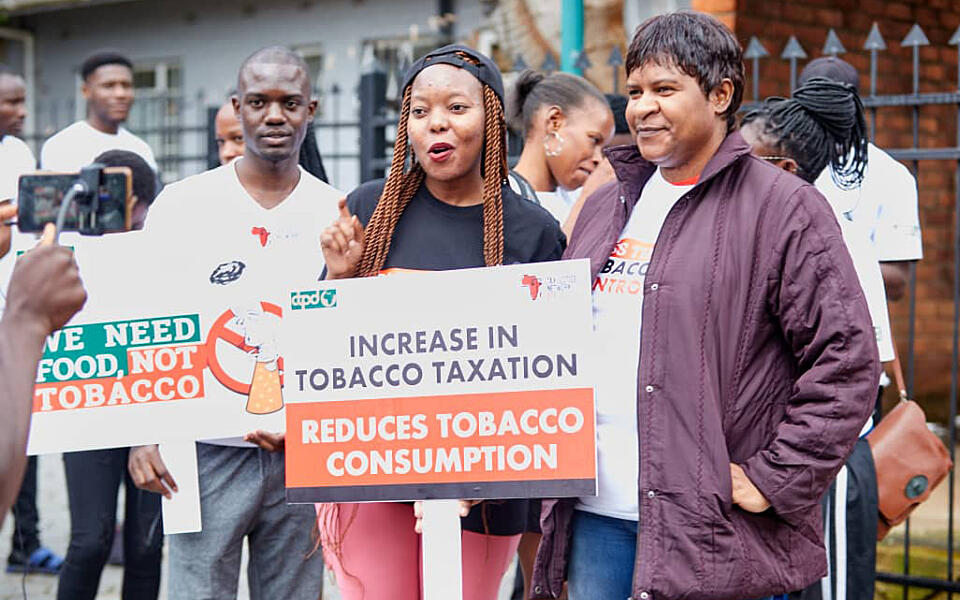
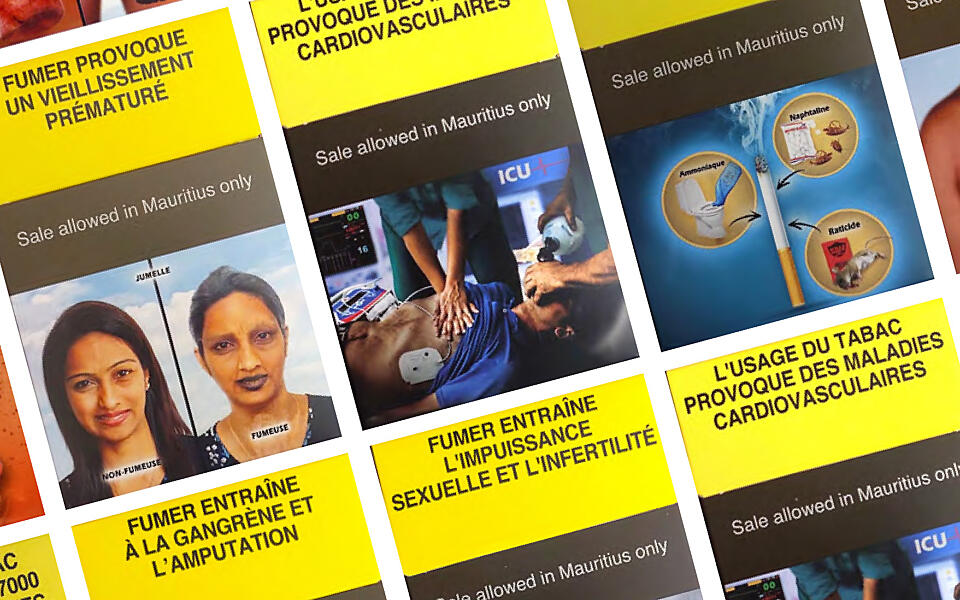
182 countries covering 90% of the world’s population are Parties to the WHO Framework Convention on Tobacco Control (WHO FCTC) and are obligated to adopt the evidence-based policies to reduce tobacco use outlined in the treaty, including tobacco taxes, smoke-free laws, advertising bans and warning labels. While adoption has been widespread, with 155 countries covering 75% of the world population adopting at least one of the five measures, only 51 have adopted even three of the five, so there is much work to be done.
Evidence Based Policies to Reduce Tobacco Use
Tobacco control policies, as included in the WHO FCTC and outlined by the U.S. CDC and others, are evidence-based and therefore work to reduce the deadly toll of tobacco when adopted and implemented. Government funding for tobacco prevention and cessation programs is also critical, working synergistically with policy change.




Related Resources
Last updated July 6, 2026