
Smoke-Free Laws
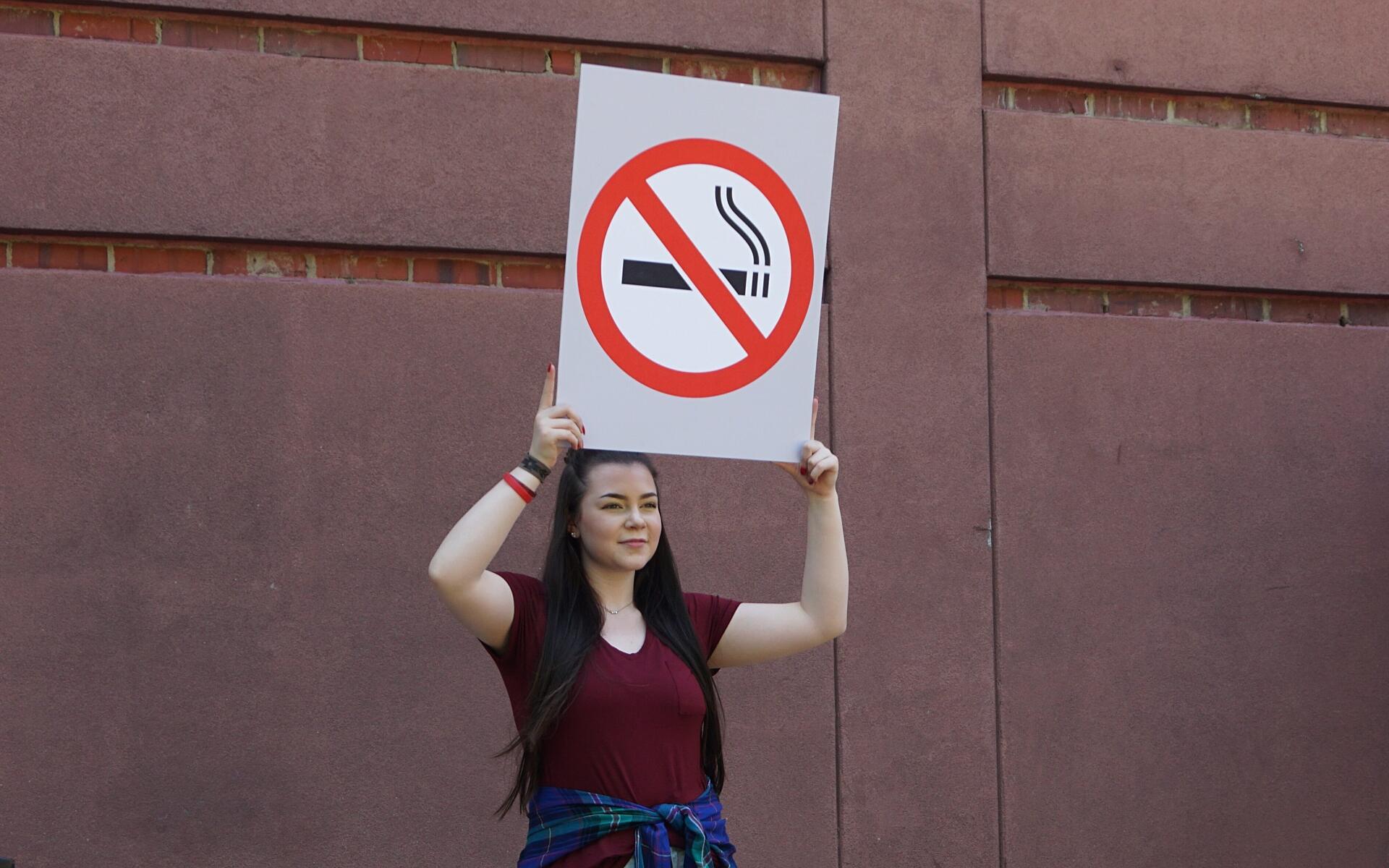
Smoke-free laws work to protect everyone’s right to breathe clean air. Secondhand smoke contains more than 7,000 chemicals, including hundreds that are toxic and at least 69 that cause cancer. Secondhand smoke is a proven cause of lung cancer, heart disease and other illnesses. The only effective way to protect nonsmokers is to require completely smoke-free workplaces and public places. Other methods, like ventilation systems and separate sections, do not eliminate exposure to secondhand smoke.

Smoke-free laws work to protect everyone’s right to breathe clean air. Secondhand smoke contains more than 7,000 chemicals, including hundreds that are toxic and at least 69 that cause cancer. Secondhand smoke is a proven cause of lung cancer, heart disease and other illnesses. The only effective way to protect nonsmokers is to require completely smoke-free workplaces and public places. Other methods, like ventilation systems and separate sections, do not eliminate exposure to secondhand smoke.
A Global Movement for Smoke-Free Air
Policy in the U.S.
In the U.S., 28 states, Washington, D.C., Puerto Rico and the U.S. Virgin Islands, plus hundreds of cities and counties, have enacted comprehensive smoke-free laws covering workplaces, restaurants, and bars. Another 2 states and Guam have enacted smoke-free laws covering restaurants and bars. More than 60% of US residents live in a state or community with a comprehensive smoke-free law.

Policy Around the World
Globally, at least 79 countries have adopted comprehensive smoke-free laws.
The WHO Framework Convention on Tobacco Control (WHO FCTC) obligates Parties to adopt smoke-free laws in indoor workplaces, public places, public transport, and outdoor places where a hazard exists due to tobacco smoke exposure. Guidelines for implementation make clear that approaches other than 100% smoke-free environments, including the use of DSAs, do not provide effective protection and conflict with the WHO FCTC.
Smoke-Free Laws: Popular and Effective
Comprehensive smoke-free laws work. They are popular with the public, with people enjoying the benefits of clean air in public places and at work. With appropriate implementation, these laws achieve high levels of compliance across the globe with quick and dramatic improvements in indoor air quality and fewer health problems for workers and patrons. In addition, decades of research prove that smoke-free laws achieve these benefits without harming business.
212 MILLION+
2.6 BILLION
All people have a fundamental right to breathe clean air and governments are obliged to protect everyone’s health as a fundamental human right.
Related Global Resources
Last updated July 15, 2026