
Tobacco Taxes
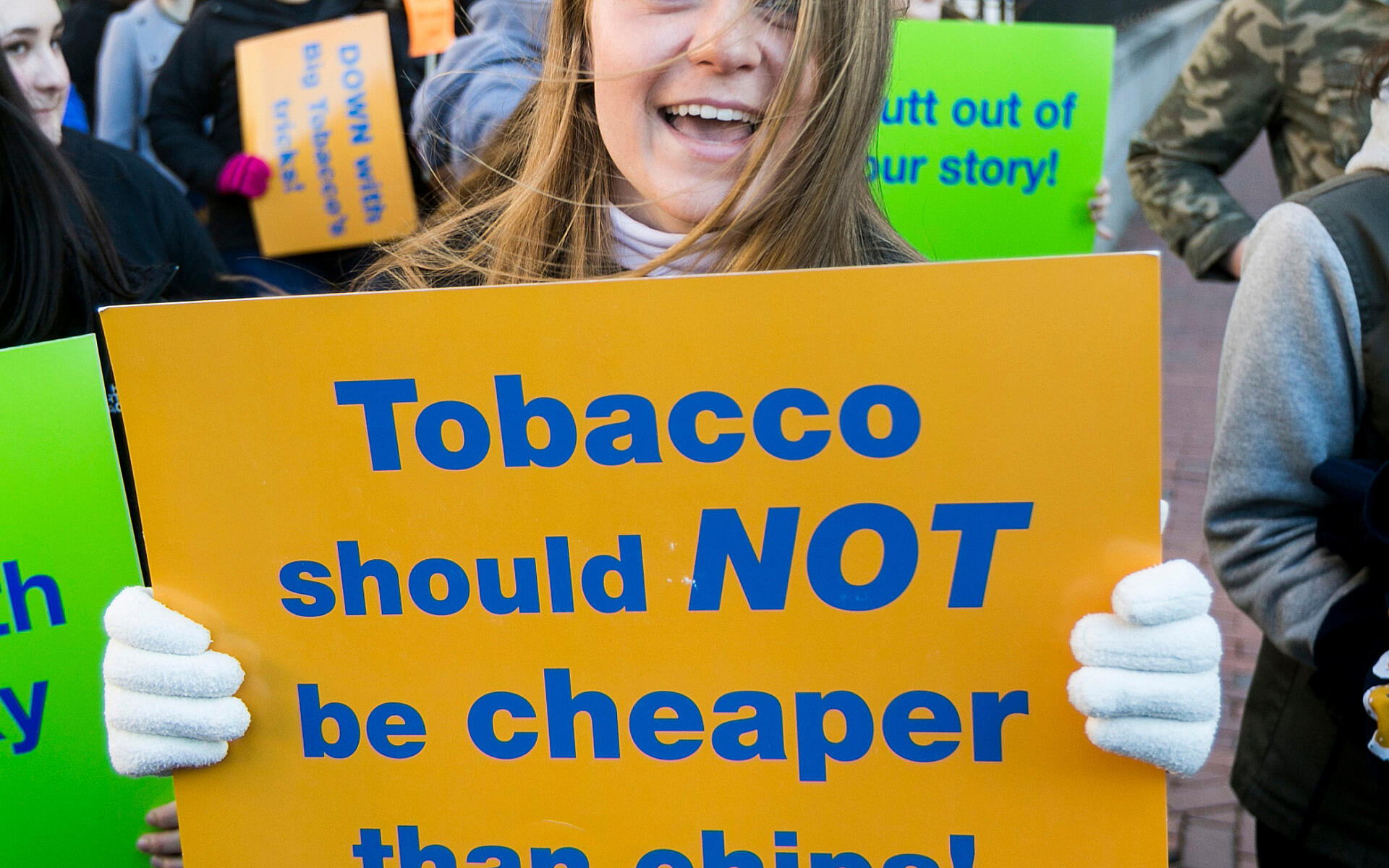
Tobacco tax increases are the single most effective way to reduce tobacco use and save lives. Increasing tobacco prices via taxes prevents young people from starting, encourages users to quit, and reduces consumption among those who continue to use tobacco. Higher tobacco taxes also raise government revenue, creating resources that can support health and development priorities. Tobacco companies also know tax increases are a powerful tool to reduce use and they oppose them ferociously.

Tobacco tax increases are the single most effective way to reduce tobacco use and save lives. Increasing tobacco prices via taxes prevents young people from starting, encourages users to quit, and reduces consumption among those who continue to use tobacco. Higher tobacco taxes also raise government revenue, creating resources that can support health and development priorities. Tobacco companies also know tax increases are a powerful tool to reduce use and they oppose them ferociously.
Impact of Tobacco Taxes
Health Impact
Higher tobacco taxes encourage quitting, prevent young people from starting, and reduce consumption among continuing users. A 10% increase in tobacco prices reduces consumption by about 4% in high-income countries and 5% in low- and middle-income countries.
Economic Impact
Countries that significantly increase tobacco taxes consistently raise significant new revenue even as tobacco use declines. Governments collect higher revenues because demand for tobacco products falls more slowly than prices rise. Declining use also reduces tobacco-related health care costs and makes the workforce healthier and more productive. Some revenue from the tax increases should be allocated to tobacco prevention and cessation programs or other health services.
Tobacco Taxes in the U.S.
In the U.S., most tobacco products are taxed at the federal, state, and some local levels, but rates vary widely across jurisdictions. States and localities that have significantly increased their cigarette taxes have reduced smoking rates faster and generated substantial revenue for health programs, Medicaid, and other public priorities. Governments can raise even more revenue and reduce all tobacco use by increasing taxes on other tobacco products, like smokeless tobacco and cigars.

Tobacco Taxes Around the World
More than 100 countries have increased tobacco taxes since adoption of the WHO Framework Convention on Tobacco Control. Article 6 of the treaty recognizes price and tax measures as an effective means of reducing tobacco use, but only about 20% of the countries are currently at the recommended level – the rest missing a huge opportunity to save lives and raise badly needed revenue.
Strong Tobacco Tax Design Saves Lives
Well-designed tobacco taxes use simple excise structures to ensure tax raises price, to ease administration and enforcement, to reduce tax avoidance, and to optimize health impact. Regular, large increases and adjustments for inflation and income growth help ensure tobacco products do not become more affordable over time. All tobacco products should be included in the tax base and price gaps should be reduced or eliminated across products to prevent substitution.

Tobacco tax increases are the single most effective policy to reduce tobacco use.
Last updated July 15, 2026